Iran has destroyed a crucial $300 million radar system used to guide American missile defense batteries in the Gulf, raising new concerns about the region’s ability to detect and intercept future attacks. According to a U.S. official, satellite imagery confirms that an advanced AN/TPY-2 radar, central to the U.S. Terminal High Altitude Area Defense (THAAD) system, was obliterated during Iranian strikes between February 28 and March 3 at Muwaffaq Salti Air Base near Azraq in Jordan.
The destruction comes amid escalating conflict following U.S.–Israeli strikes on Iran and threatens to weaken one of the most sophisticated layers of missile defense protecting U.S. forces and allies in the region.
The Strategic Role of the THAAD Radar
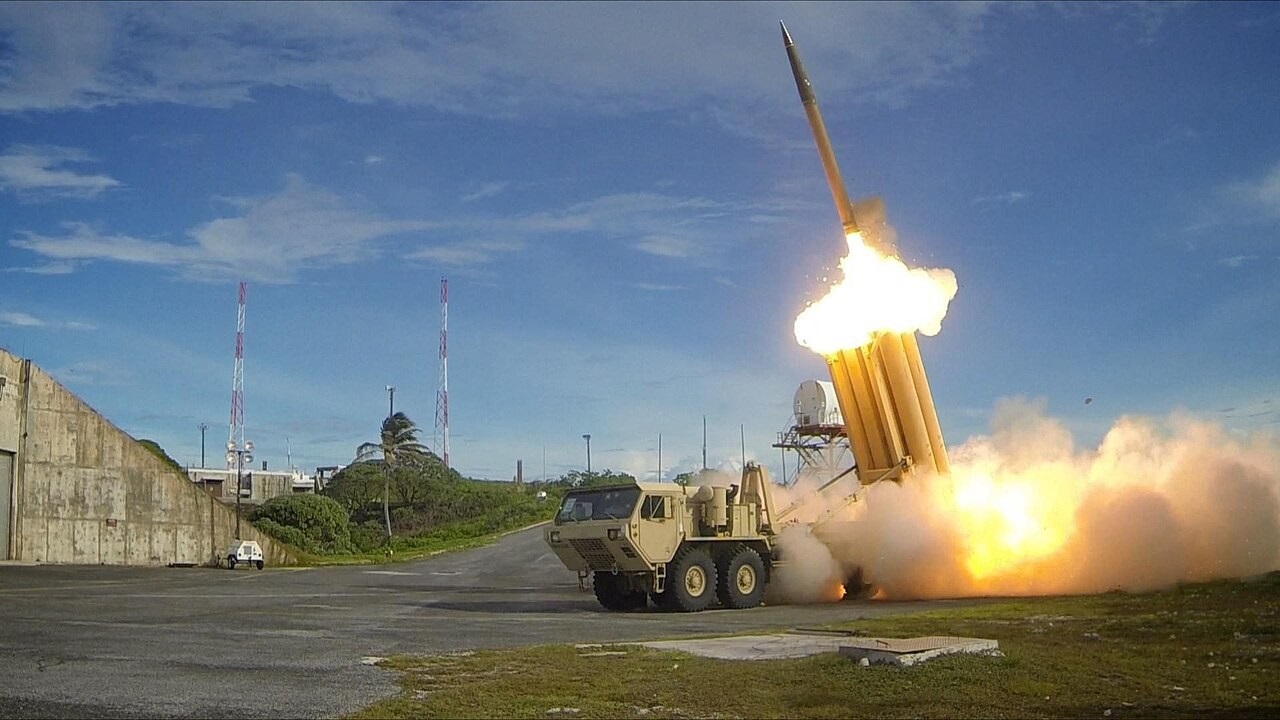
The destroyed system was not just another battlefield sensor. The AN/TPY-2 radar, manufactured by RTX (formerly Raytheon), is an advanced truck-mounted X-band radar designed to detect, track, and discriminate ballistic missiles at extremely long ranges.
Integrated into the THAAD missile defense system, it provides targeting data that allows interceptors to destroy incoming missiles at altitudes above 150 kilometers, well beyond the reach of lower-tier systems like Patriot. The radar can monitor threats across a radius exceeding 1,000 kilometers, making it vital for protecting Israel, Jordan, and Gulf allies from Iranian missile launches.
Deployed to Jordan only weeks before the conflict intensified, the radar was intended to strengthen the region’s layered missile defense network following the killing of Iran’s Supreme Leader and fears of retaliatory strikes.
Iranian Precision Strike
The attack that destroyed the radar highlights the growing sophistication of Iran’s missile arsenal. U.S. officials believe the strike was likely carried out by the Islamic Revolutionary Guard Corps (IRGC) Aerospace Force, possibly using advanced missiles such as the Fattah-1 hypersonic missile or the Kheibar Shekan ballistic missile.
These weapons are designed to evade traditional interception systems through high speeds and unpredictable flight paths. Satellite images from the base show scattered debris from burned trailers and destroyed radar components, indicating a direct hit.
Reports also suggest that Iranian strikes may have targeted radar installations at other regional bases, including Saudi Arabia’s Prince Sultan Air Base and the UAE’s Al Dhafra base, although those incidents remain unconfirmed.
U.S. Officials Confirm the Strike — But Downplay the Impact
American officials have acknowledged the loss while emphasizing that it does not cripple U.S. missile defense operations.
An anonymous U.S. official confirmed to media outlets that the radar’s destruction was a “significant blow” but stressed that redundant radar systems and overlapping defense layers remain operational. Pentagon spokespersons noted that multiple sensors across the region still provide air and missile defense coverage.
U.S. Defense Secretary Pete Hegseth described the incident as “regrettable but expected in a hot conflict,” adding that U.S. forces would maintain escalation dominance and continue targeting Iranian missile launch capabilities.
President Donald Trump struck a defiant tone, posting that Iran’s attack would not derail U.S. strategy and promising that “radars will be back online soon.”
Operational Response and Defense Gaps
To restore coverage, U.S. Central Command has reportedly begun deploying mobile AN/TPY-2 radar units from other regions, including Guam and South Korea. Patriot PAC-3 batteries are temporarily absorbing a larger share of the defensive burden, although U.S. missile inventories have been strained by repeated intercepts during recent regional attacks.
The challenge is compounded by production constraints. Building and deploying a replacement radar can take up to 18 months, highlighting the vulnerability of high-value military infrastructure during sustained conflicts.
Strategic Ripple Effects Across the Region
The successful strike carries significant geopolitical implications. It demonstrates Iran’s ability to hit sophisticated defense assets directly, strengthening its deterrence posture while raising doubts about the resilience of existing missile shields.
For regional partners such as Saudi Arabia and the United Arab Emirates—both operators of advanced missile defense systems—the incident could accelerate efforts to diversify their defenses. Israel, meanwhile, may rely more heavily on systems such as Iron Dome and Arrow to offset potential gaps.
The strike also adds pressure on Jordan, which hosts the affected base, as domestic criticism grows over the country’s role in supporting U.S. military operations.
A Warning for Modern Missile Defense
The destruction of the AN/TPY-2 radar highlights a fundamental reality of modern warfare: even the most advanced defense networks remain vulnerable to precision strikes. While U.S. officials insist that layered defenses and backup systems will prevent a strategic collapse, the attack exposes the risks of concentrating critical capabilities in fixed locations.
As the conflict intensifies, the episode is likely to accelerate investments in distributed radar networks, mobile sensors, and next-generation missile defenses designed to counter hypersonic threats. In the evolving battlefield of high-tech warfare, resilience—not just sophistication—may determine which side maintains the advantage.
(With agency inputs)