A High-Stakes Visit Amid Global Flux
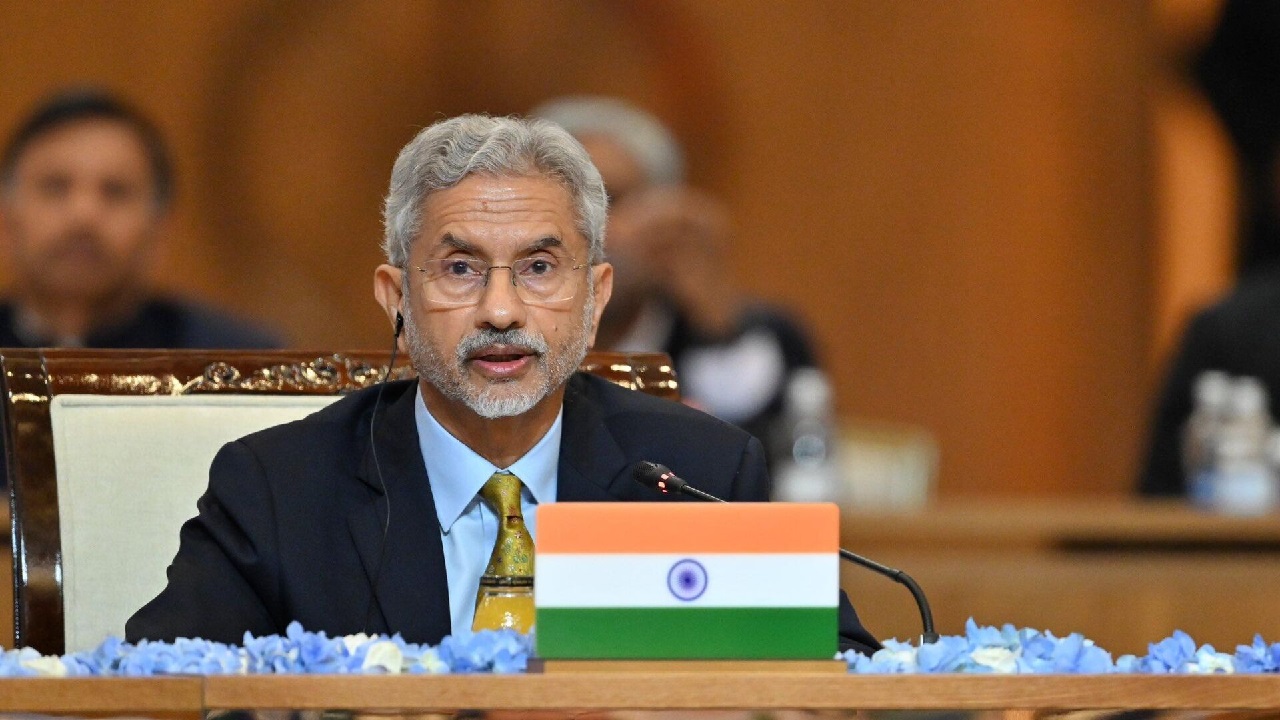
S. Jaishankar’s recent visit to Brussels marked a significant diplomatic moment, coming just weeks after the landmark India-EU Free Trade Agreement (FTA). Invited by Kaja Kallas, Jaishankar addressed all 27 EU foreign ministers at the Foreign Affairs Council—India’s first such engagement since escalating tensions in West Asia disrupted global supply chains. The visit signalled India’s rising importance as a stabilising partner for a Europe navigating energy shocks and geopolitical uncertainty.
FTA Momentum: Trade and Technology Take Centre Stage
At the heart of the visit was the consolidation of the ambitious India-EU FTA, earlier described by Ursula von der Leyen as the “mother of all deals.” The agreement, covering over €100 billion in trade, is expected to significantly boost India’s exports in textiles, pharmaceuticals, and IT services, while facilitating European access to Indian markets in machinery and chemicals.
Jaishankar pushed to expand the scope of the Trade and Technology Council (TTC), proposing deeper collaboration in semiconductors, artificial intelligence, and quantum computing. This reflects a shared urgency to build resilient supply chains amid disruptions linked to the Strait of Hormuz and broader geopolitical risks.
Bilateral Engagements: Expanding Strategic Depth
Beyond multilateral discussions, Jaishankar held targeted bilateral talks with key European nations. Engagements with Germany focused on semiconductors and defence cooperation, while discussions with Belgium emphasised connectivity and logistics. Talks with Greece highlighted maritime and shipping collaboration, and Slovakia explored opportunities in manufacturing and space. Meanwhile, healthcare cooperation was a key theme in discussions with Netherlands.
These engagements underscore a shift from traditional trade ties to a broader strategic partnership spanning critical sectors.
Diplomatic Win: India as a Strategic Anchor
A major outcome of the visit was India’s positioning as a key geopolitical partner for Europe. With the Iran-related tensions affecting energy routes and pushing oil prices higher, Jaishankar emphasised diversification strategies, including LNG swaps and alternative supply chains.
India’s ability to maintain ties across competing global blocs—engaging with the United States, managing energy relations with Russia, and maintaining dialogue with Gulf nations—has enhanced its credibility as a balancing power. Discussions also touched on Ukraine, Indo-Pacific cooperation, and potential EU-India security frameworks, reflecting deepening trust.
A Partnership for a Changing World
Jaishankar’s Brussels visit goes beyond routine diplomacy—it marks a strategic convergence between India and Europe at a time of global uncertainty. The FTA provides a strong economic foundation, while expanded cooperation in technology, security, and energy signals a long-term alignment.
As Europe seeks reliable partners and India asserts its global role, this engagement represents a diplomatic win for New Delhi. The challenge ahead lies in sustaining this momentum while navigating differences, ensuring that the India-EU partnership evolves into a cornerstone of stability in an increasingly fragmented world.
(With agency inputs)