


USCIRF Flags India, Seeks Sanctions
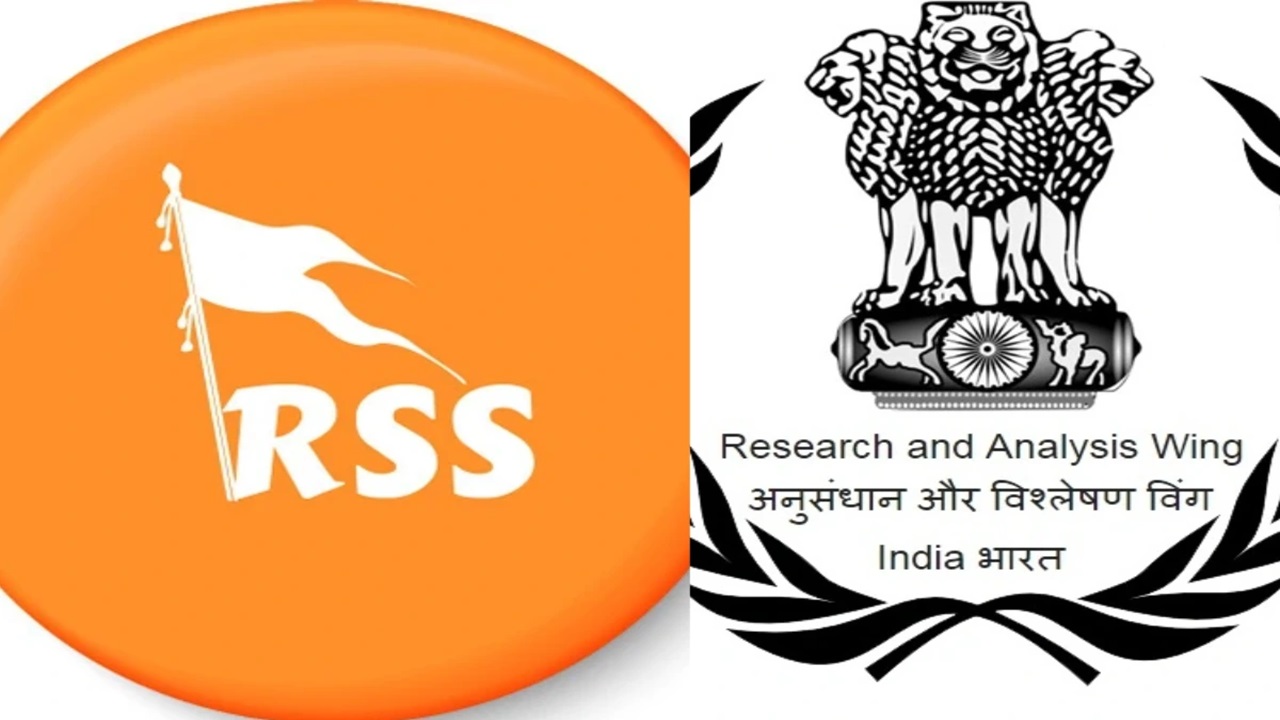
A fresh diplomatic row has emerged after the United States Commission on International Religious Freedom (USCIRF) recommended sanctions on India’s Rashtriya Swayamsevak Sangh (RSS) and Research and Analysis Wing (RAW) over alleged religious freedom violations. The 2026 report also reiterates its call to designate India as a “Country of Particular Concern” (CPC), marking the fourth consecutive year such a recommendation has been made.
USCIRF’s Case: Allegations of Systemic Bias
The USCIRF report claims that religious freedom conditions in India worsened through 2025. It alleges that minority communities, particularly Muslims and Christians, faced targeted violence, often linked to groups associated with the RSS.
The panel also criticises state-level anti-conversion laws, commonly framed as measures against “love jihad,” arguing they impose harsh penalties and disproportionately affect minorities. Additionally, it raises concerns over policies such as the Waqf (Amendment) Bill and the deportation of Rohingya refugees, describing them as indicators of systemic bias.
A particularly contentious claim involves RAW, which the report accuses of engaging in activities targeting minorities beyond India’s borders. Based on these findings, USCIRF has urged asset freezes, visa bans, and even linking US-India trade and defence ties to measurable improvements in religious freedom.
India’s MEA Response: “Biased and Motivated”
India’s Ministry of External Affairs (MEA) has issued a sharp and unequivocal rejection of the report. Official spokesperson Randhir Jaiswal described the findings as “motivated and biased,” accusing USCIRF of presenting a “distorted and selective picture” of India.
In its detailed rebuttal, the MEA stated:
· It “categorically rejects” the report’s characterisation of India.
· It accused USCIRF of relying on “questionable sources and ideological narratives.”
· It argued that repeated misrepresentations undermine the panel’s credibility.
India also turned the spotlight back on the US, highlighting incidents of vandalism at Hindu temples and alleged harassment of the Indian diaspora. The MEA emphasised India’s constitutional commitment to secularism, judicial independence, and minority welfare, asserting that such external recommendations amount to interference in internal affairs. No policy changes, it made clear, are under consideration.
Credibility Questioned Amid Strong Rebuttal
India’s pushback against the latest USCIRF report has sharpened further, pointing not just to what it calls a “biased and motivated” assessment but also questioning the credibility of those behind it. The panel’s recommendation to sanction the Rashtriya Swayamsevak Sangh and Research and Analysis Wing has drawn scrutiny after reports noted that its vice chair, Dr. Asif Mohammed, is of Pakistani origin. New Delhi has long maintained that the United States Commission on International Religious Freedom operates with a selective and skewed lens, and this revelation is being cited to reinforce its argument that the report lacks objectivity and reflects entrenched biases rather than ground realities.
Diplomacy Meets Divergence
The USCIRF report underscores a recurring friction point in India-US relations—differing perceptions on internal governance and human rights. While Washington-based panels continue to raise concerns, New Delhi remains firm in rejecting what it views as external interference.
Ultimately, the episode reflects a broader reality: as India asserts itself on the global stage, scrutiny will intensify—but so will its insistence on sovereignty. Whether this tension evolves into policy friction or remains rhetorical will depend on how both sides navigate the fine balance between partnership and principle.
(With agency inputs)