


Three Weeks In: A Rapidly Escalating Crisis
Three weeks into the 2026 Iran war, the conflict has already outgrown its architects. What began on February 28 as a calculated strike by the United States and Israel—reportedly killing Iran’s Supreme Leader Ali Khamenei—has spiraled into a volatile regional confrontation. Far from delivering a swift strategic victory, the offensive has triggered a chain reaction of retaliation, resistance, and geopolitical fragmentation that now challenges the authority of Donald Trump and his administration.
Iran’s Defiance and Fractured Alliances
Iran’s response has been both immediate and sustained. The Islamic Revolutionary Guard Corps (IRGC) has launched coordinated missile and drone strikes targeting U.S. bases across the Middle East—from Jordan and Iraq to Bahrain, Qatar, Saudi Arabia, and the UAE—while also striking Israeli cities. Advanced systems like the Kheibar Shekan and Fattah missiles highlight Tehran’s continued military capability, even as launch rates have declined due to depleted reserves.
Equally significant is the diplomatic fallout. Traditional U.S. partners in the Gulf, including Qatar and Oman, have resisted Washington’s calls for alignment, instead prioritizing de-escalation. Iran’s warning “No oil leaves while war rages”—has translated into major disruptions in the Strait of Hormuz, through which nearly 20% of global crude supply flows. The resulting supply shock has elevated the conflict from regional to global significance.
Strategic Miscalculations and Policy Drift
At the core of the crisis lies a series of strategic miscalculations. The decision to strike amid ongoing diplomatic engagement in Geneva, coupled with expectations of rapid regime destabilization following Khamenei’s death, has proven flawed. Instead of collapse, Iran has demonstrated resilience, leveraging both internal command structures and regional proxy networks.
Policy ambiguity has further complicated the situation. The administration’s mixed signals—oscillating between regime change and limited military objectives—have created confusion among allies and adversaries alike. While figures such as Marco Rubio have emphasized tactical containment, Trump’s broader rhetoric suggests expansive ambitions without a clearly defined endgame. Reports of strikes hitting civilian infrastructure, including hospitals and cultural landmarks, have also weakened international support.
Economic Shockwaves and Military Escalation
The economic consequences have been immediate and far-reaching. Oil prices have surged to around $100 per barrel, triggering inflationary pressures across global markets. In the United States, fuel prices have risen sharply, undermining prior commitments to affordability. The shutdown of critical energy infrastructure in Qatar has further intensified supply disruptions, while aviation slowdowns and maritime insecurity compound the problems.
On the military front, the United States has expanded its footprint, deploying thousands of Marines to secure vital shipping routes and positioning B-1 bombers in the United Kingdom for sustained operations. However, this escalation raises concerns of a prolonged entanglement reminiscent of the Iraq War, with rising casualties and growing domestic unease.
The Battle for Narrative Control
Parallel to the physical conflict is a fierce contest over global perception. Iranian state media has branded the confrontation the “Ramadan War,” framing it as resistance against external aggression. Meanwhile, global powers such as Russia and China have criticized the initial strikes, exposing fractures in international consensus.
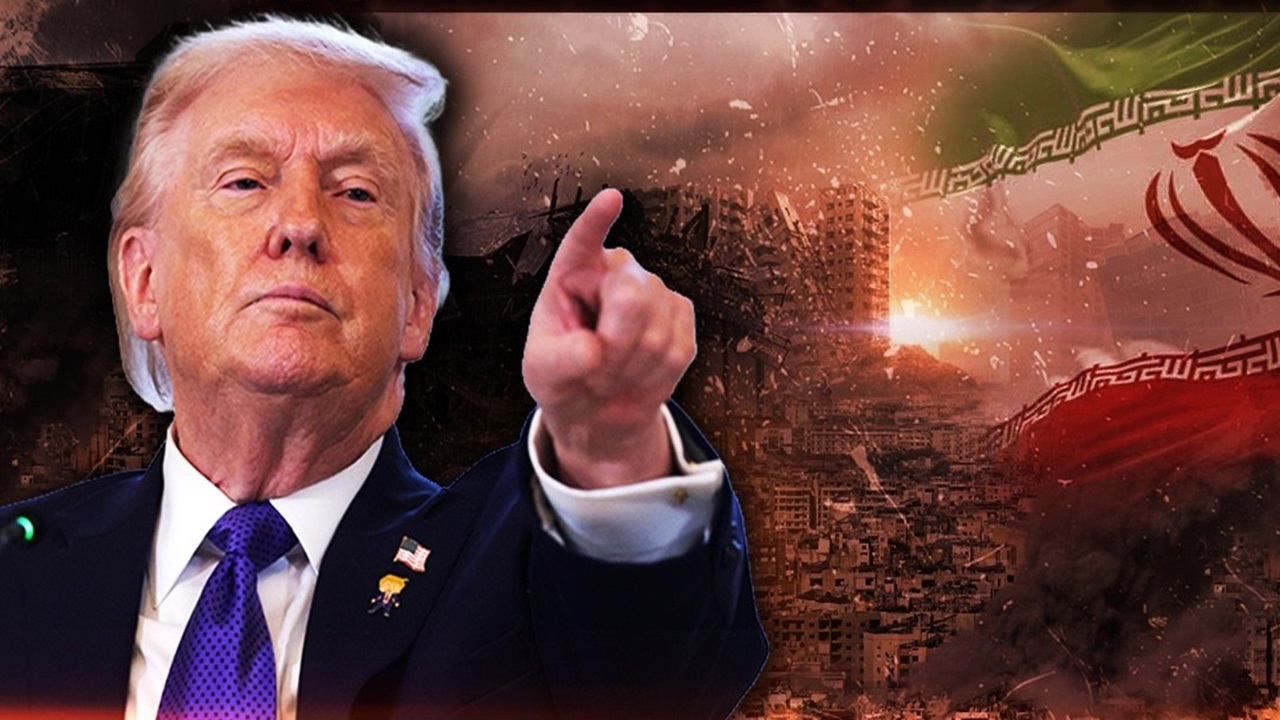
Trump’s attempts to dominate the narrative through public messaging have struggled against stark visual evidence emerging from conflict zones—burning urban centers, damaged infrastructure, and environmental fallout. Even traditional allies like Saudi Arabia are quietly urging restraint, reflecting a shifting regional balance.
A Conflict Without Clear Boundaries
The 2026 Iran war underscores the limits of military power in achieving political objectives. What was intended as a decisive intervention has evolved into a complex, multi-dimensional crisis with no clear resolution in sight.
Without a coherent strategy or credible diplomatic pathway, the conflict risks becoming a prolonged and destabilizing force in global affairs. It serves as a stark reminder that in an interconnected world, the consequences of war rarely remain confined—and control, once lost, is difficult to regain.
(With agency inputs)