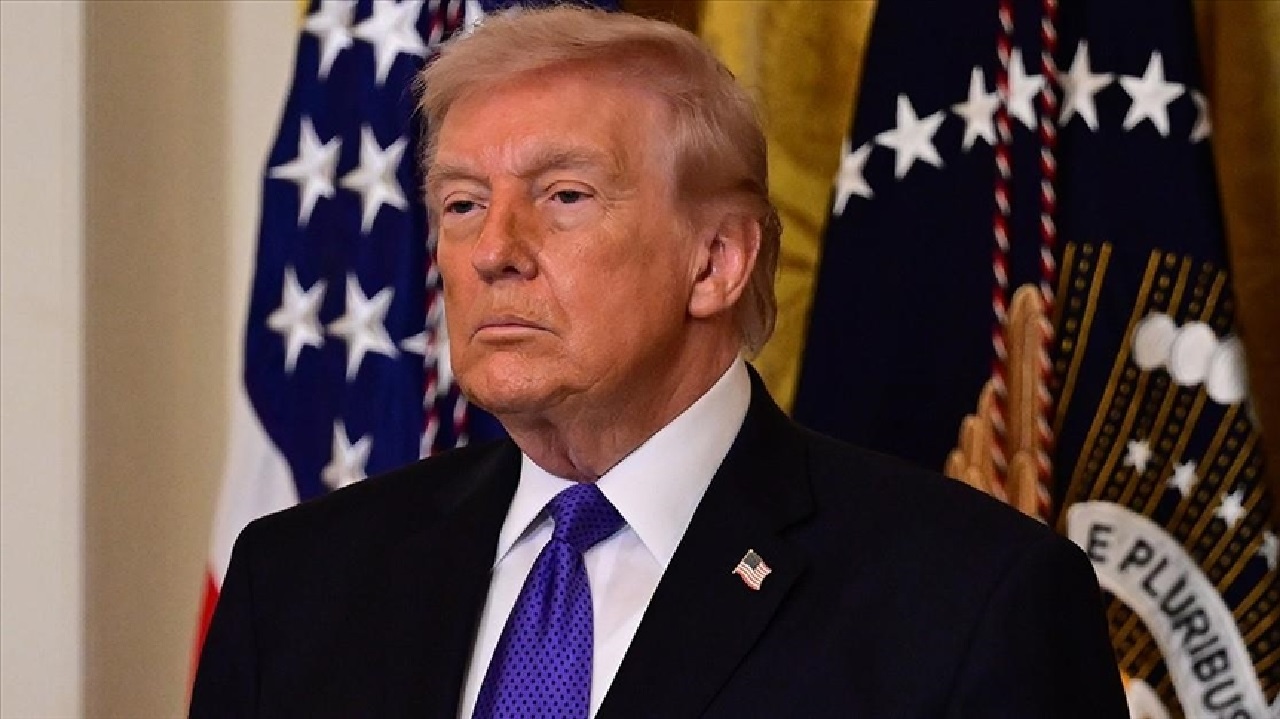
US President Donald Trump has hinted at progress after talks with Iran, pausing planned strikes on key power plants and energy infrastructure. The move, coming just days after a sharp ultimatum, signals a potential shift from confrontation to cautious diplomacy—though tensions in the region remain far from resolved.
The Ultimatum and the Hormuz Pressure Point
The current tensions escalated when Trump issued a 48-hour ultimatum demanding that Iran fully reopen the Strait of Hormuz without threats. This narrow waterway is one of the world’s most critical energy chokepoints, carrying nearly 20% of global oil supplies. Iran’s partial disruptions and imposition of transit restrictions had already sent shockwaves through global markets.
The US threat to target Iran’s power grid was designed as a high-stakes pressure tactic. By targeting critical infrastructure, Washington aimed to force compliance while demonstrating its willingness to escalate. However, the move also risked triggering a broader “energy war,” with Iran warning of retaliatory strikes on regional energy assets linked to the US and its allies.
A Sudden Shift: Pause and Diplomacy
In a notable change of tone, Trump announced a five-day pause on the planned strikes, citing “constructive” and “detailed” discussions with Iranian representatives and regional intermediaries. He also suggested that the US was “close” to achieving its objectives, raising the possibility of winding down military operations.
This recalibration appears to be driven by both strategic and economic considerations. Escalating tensions had already led to attacks on energy infrastructure in the region, pushing oil prices sharply higher. To ease market pressure, the US simultaneously introduced measures to allow limited Iranian oil flows, indicating a dual-track approach combining diplomacy with economic adjustments.
The pause, therefore, reflects not just a tactical retreat but a broader attempt to manage escalation without losing leverage.
Iran’s Response: Defiance with Conditions
Tehran’s reaction has been a mix of defiance and calculated restraint. Iranian President Masoud Pezeshkian dismissed US threats as unrealistic, framing them as signs of desperation rather than strength. At the same time, Iranian officials signaled a willingness to limit escalation under certain conditions.
Iran has maintained that its actions are defensive and indicated it would avoid targeting neighboring states unless attacks originate from their territory. However, it also made clear that any US strike on its infrastructure would provoke a strong and immediate response against American-linked energy facilities across the region.
Following the US pause, Iranian messaging emphasized deterrence, portraying Washington’s step-back as recognition of Iran’s capabilities. Yet, Tehran continues to insist on sanctions relief and respect for its sovereignty as key conditions for any lasting de-escalation.
A Fragile Equilibrium
Despite the pause and diplomatic signals, the situation remains highly volatile. There is no formal ceasefire, no agreed framework for managing tensions in the Strait of Hormuz, and both sides continue to use strong rhetoric for domestic and strategic purposes.
What has emerged instead is a temporary equilibrium—one where both Washington and Tehran appear to recognize the high costs of further escalation, particularly given the global economic fallout.
A Pause, not a Peace
Trump’s decision to pause strikes and signal progress opens a narrow window for de-escalation, but it does not yet mark a resolution. The coming days will be critical in determining whether this moment evolves into meaningful dialogue or merely delays another cycle of confrontation.
In a conflict where energy security, geopolitical rivalry, and national pride intersect, sustained restraint will require more than tactical pauses. It will demand a shift toward structured engagement—without which the region risks slipping back into instability just as quickly as it stepped back from the brink.
(With agency inputs)