


India Moves Swiftly as Conflict Disrupts Region
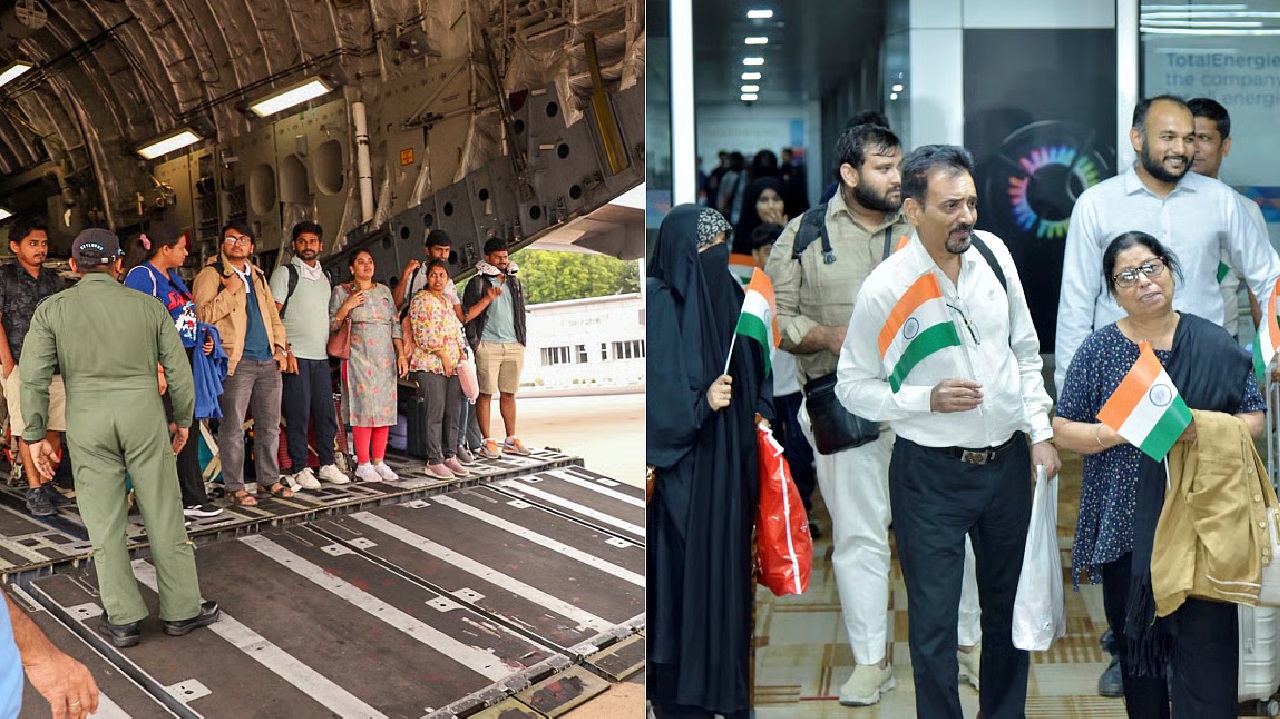
India has undertaken one of its largest evacuation efforts in recent years, bringing back over 4.75 lakh nationals from West Asia as the ongoing US-Iran conflict intensifies. Minister of State for External Affairs Kirti Vardhan Singh informed the Rajya Sabha that the government is continuing operations despite airspace closures, travel restrictions, and worsening ground conditions. While seven deaths and multiple injuries have been reported, authorities remain focused on ensuring the safety of millions of Indians still in the region.
A Vast Diaspora Facing Growing Risks
India’s presence in West Asia is both extensive and economically vital. The United Arab Emirates hosts the largest Indian community, with around 43 lakh people, followed by Saudi Arabia with 27 lakhs. Significant populations also reside in Kuwait, Qatar, and Oman, largely employed in construction, services, and trade.
These communities are particularly vulnerable during crises, given their dependence on local economies and limited mobility. With India relying on the region for nearly 85% of its oil imports and receiving over $100 billion annually in remittances, disruptions—especially around the Strait of Hormuz—carry both human and economic consequences.
Coordinated Evacuation Across Multiple Routes
Indian missions across the region have coordinated complex evacuation logistics, utilizing commercial flights, special charters, and overland routes through countries such as Armenia, Azerbaijan, Jordan, and Saudi Arabia. Over 1,200 Indians were evacuated from Iran alone, including 996 via Armenia and 204 through Azerbaijan.
The operations have also addressed specific vulnerable groups. For instance, 345 fishermen stranded in Iran were brought back safely, while around 800 students were relocated in advance of escalating hostilities. Missions have provided emergency travel documents, medical assistance, temporary shelter, and support for seafarers affected by attacks on vessels.
Conflict Context and Diplomatic Balancing
The evacuations have been triggered by rapid military escalation, including hundreds of US-Israeli strikes and the killing of Majid Khademi in Tehran. Simultaneously, diplomatic efforts—led by S. Jaishankar—continue to emphasize de-escalation through engagement with regional stakeholders such as Iran, the UAE, and Qatar.
India’s approach reflects a careful balance: safeguarding its citizens while maintaining neutrality and supporting dialogue. This strategy is crucial as rising oil prices and supply chain disruptions begin to affect domestic sectors.
Humanitarian and Strategic Implications
The scale of the evacuation mirrors past efforts like the COVID-era Vande Bharat mission, showcasing India’s crisis-response capabilities. However, the human cost remains evident, with lives lost and livelihoods disrupted. A prolonged conflict could affect millions more Indians in the region, potentially reducing remittance flows and impacting India’s economic growth.
Preparedness Amid Uncertainty
India’s swift evacuation underscores both the scale of its global diaspora and the importance of proactive diplomacy. While the immediate focus remains on safety and relief, the broader challenge lies in navigating prolonged instability in West Asia. As tensions persist, India’s ability to balance humanitarian action with strategic foresight will be key to protecting its citizens and sustaining economic resilience.
(With agency inputs)