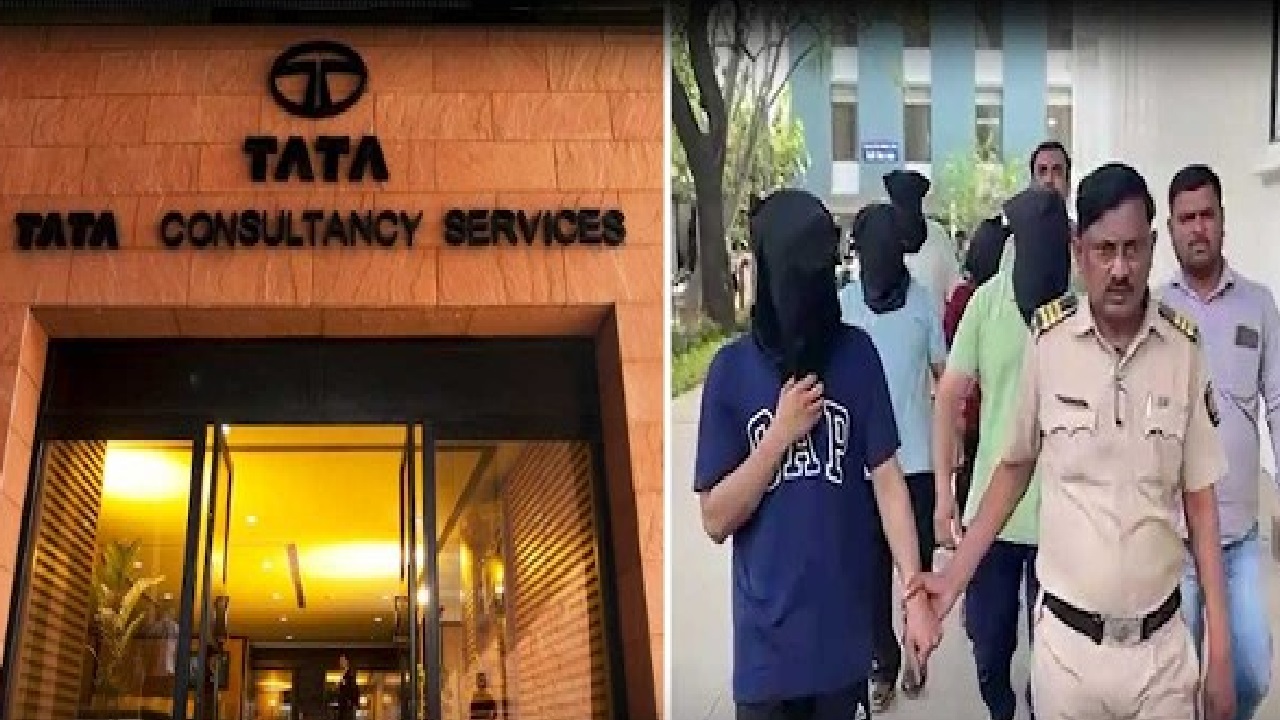
Tata Consultancy Services (TCS) has suspended several employees at its Nashik unit following serious allegations of sexual harassment and coercive religious practices. While the company has not disclosed the number of staff affected, the case has rapidly escalated into a major legal and corporate crisis, exposing gaps in workplace safeguards and raising broader concerns about employee safety in India’s IT-BPO sector.
How the Case Unfolded
The controversy began in late March 2026 when a woman employee filed a complaint alleging that a colleague had maintained a long-term sexual relationship with her under false promises of marriage. As Nashik Police initiated an investigation, more employees came forward with similar allegations.
Between March 26 and early April, multiple FIRs were registered—eventually rising to nine—covering serious charges such as rape, sexual harassment, workplace intimidation, and offences related to religious coercion. The complainants, mostly young employees aged 18–25, described a pattern of exploitation rooted in economic vulnerability and workplace hierarchy.
Undercover Operation and Evidence Gathering
In a rare move, the police launched a covert operation led by Police Commissioner Sandeep Karnik. Six women constables were deployed undercover as employees at the Nashik BPO unit for over a month.
These officers worked regular shifts, monitored workplace behaviour, and documented instances of alleged misconduct. Their findings, combined with CCTV footage and victim testimonies, formed the backbone of the case. This operation underscored the seriousness of the allegations and the need for independent verification beyond internal complaints.
Nature of Allegations: Abuse and Coercion
According to FIRs and investigation reports, the accused allegedly engaged in a range of abusive practices. These included coercing women into sexual relationships, sharing explicit content, and using threats to control victims.
More controversially, some allegations involved religious coercion. Victims claimed they were pressured into participating in practices such as offering namaz, consuming food against their beliefs, or observing religious customs under duress. These claims, if proven, add a sensitive dimension to the case, potentially expanding its legal and social implications.
Arrests and Legal Action
Police have arrested multiple individuals, including key accused such as Tausif Attar and Danish Sheikh, along with others. A Special Investigation Team (SIT), led by Sandeep Mitke, is now probing the matter in depth.
The SIT is also examining whether TCS complied with mandatory workplace safeguards, particularly under the POSH Act, and why the alleged misconduct was not reported or escalated earlier through internal channels.
TCS’s Official Response
TCS has issued a firm but measured response. The company reiterated its “zero-tolerance policy” toward harassment and coercion, emphasising its commitment to employee safety and wellbeing.
It confirmed that all employees under investigation have been suspended pending inquiry. The company also stated that it is fully cooperating with law enforcement authorities and the SIT, and that further action will depend on the outcome of the investigation.
Additionally, TCS pointed to its existing internal frameworks, including Internal Complaints Committees under the POSH Act, while acknowledging that the accused individuals have been removed from active roles during the probe.
Analytical Perspective: Systemic Gaps and Sectoral Impact
The Nashik case highlights a troubling disconnect between policy and practice. While robust legal frameworks exist, their effectiveness depends on accessibility, trust, and enforcement. The fact that victims did not initially approach internal committees suggests fear of retaliation or lack of confidence in the system.
For the IT-BPO sector, the incident is a reputational setback. It underscores the need for stronger monitoring, independent grievance redressal mechanisms, and a culture that encourages reporting without fear.
A Defining Test for Corporate Accountability
The TCS Nashik episode is more than an isolated scandal—it is a test of corporate governance and institutional accountability. While the company’s swift suspensions and cooperation with authorities are important first steps, the case ultimately raises deeper questions about workplace culture and oversight.
Ensuring employee safety requires more than policies on paper; it demands consistent enforcement, transparency, and trust. As investigations continue, the outcome will likely shape how corporate India approaches workplace misconduct in the years ahead.
(With agency inputs)