


A Humanitarian Breaking Point in Gaza
As Israel’s war in Gaza stretches into its 21st month, a coalition of 28 nations, including the UK, Canada, Japan, and Australia, has issued its strongest condemnation yet, declaring that the war “must end now.” The statement reflects a growing international frustration with both the scale of civilian suffering in Gaza and the Israeli government’s approach to aid and military strategy. This comes at a time when Gaza is on the brink of famine, with over 59,000 Palestinian deaths reported and humanitarian aid critically limited.
The Statement: A Unified Call to End the War
The joint statement by these countries marked a turning point in the international response. While many of these governments have been long-standing allies of Israel, their tone has shifted dramatically. They condemned the “drip feeding of aid”, the “inhumane killing of civilians”, and described the situation as “horrifying.”
Citing the deaths of over 800 Palestinians while seeking aid, the signatories criticized Israel’s current aid model as one that “fuels instability” and “deprives Gazans of human dignity.” The call for Israel to comply with international humanitarian law comes amid growing evidence that civilian infrastructure and non-combatants are being increasingly targeted or caught in the crossfire.
Israel and U.S. Push Back Hard
Israel quickly rejected the statement, calling it “disconnected from reality.” The Israeli Foreign Ministry placed full blame for the war’s continuation on Hamas, arguing that the militant group rejected a recent ceasefire and hostage release proposal.
The response was echoed by U.S. Ambassador to Israel Mike Huckabee, who labeled the allies’ statement “disgusting,” urging them to instead focus on pressuring “the savages of Hamas.” This split between the U.S. administration and many of its traditional allies is telling — and could affect coordination on foreign policy going forward.
Notably absent from the list of signatories was Germany, though its foreign minister did express concern over the “catastrophic” conditions in Gaza and called for Israel to uphold its EU humanitarian agreements.
Gaza: A Territory on the Edge
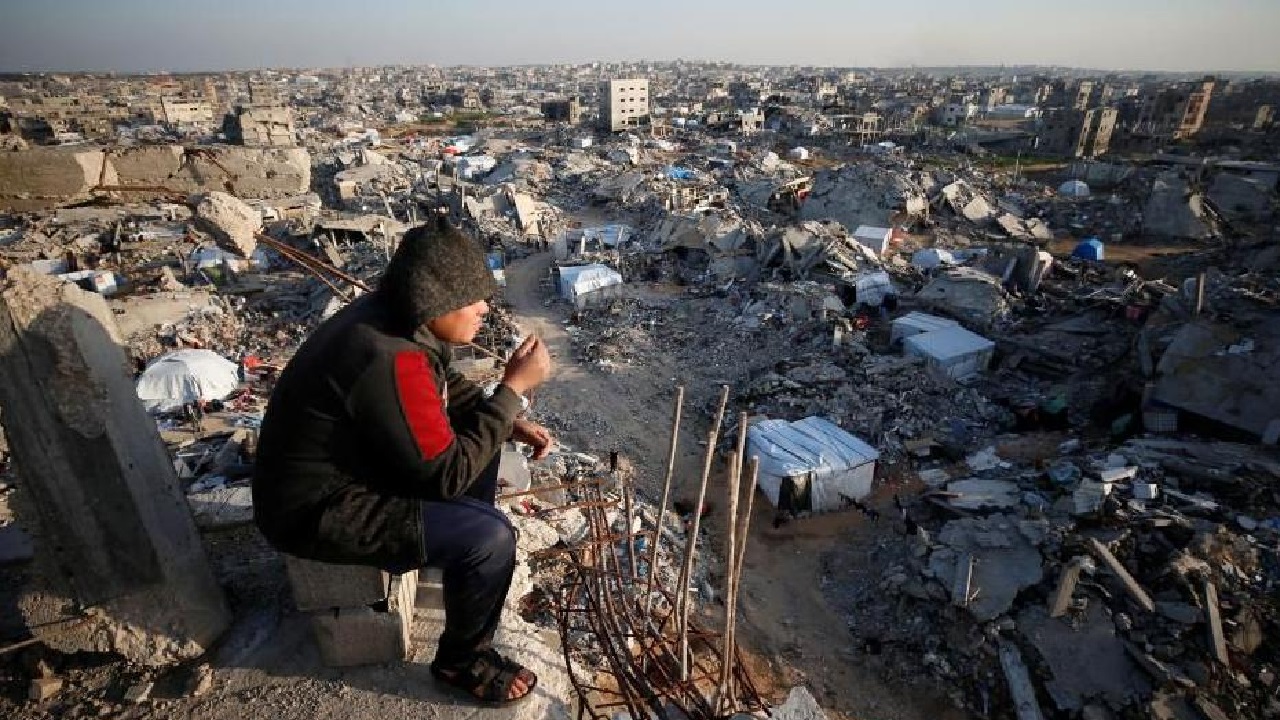
The humanitarian disaster in Gaza has reached an unprecedented level. According to United Nations reports, over 90% of the population has been displaced, many multiple times. Food and medical aid are scarce, with most deliveries channelled through a single U.S.-based group, often under Israeli military restrictions. Reports indicate that hundreds have been killed while trying to access aid.
This crisis is unfolding alongside a deepening global outcry, fueled by graphic images, testimonies, and allegations of war crimes. Calls for justice have culminated in the International Criminal Court’s arrest warrant for Israeli Prime Minister Benjamin Netanyahu — a rare move against the leader of a U.S.-aligned state.
Political Impact: Isolation and Eroding Support
While Israel continues to dismiss international rebukes, the political cost is rising. Earlier calls from the UK, France, and Canada in May included veiled threats of “concrete actions” if Israel did not moderate its military operations. Though such actions haven’t materialized, the new joint statement’s urgency indicates that patience is wearing thin.
Critically, the internal divisions among allies — with Germany choosing not to join the statement — suggest that global consensus is difficult, yet the majority push for a ceasefire is gaining momentum. Meanwhile, Israel maintains that it acts within the law, and continues to accuse Hamas of exploiting civilians by embedding itself in urban zones.
The Hostage Dilemma and Stalled Peace Talks
Efforts at a negotiated ceasefire remain elusive. Roughly 50 Israeli hostages are still held in Gaza, though fewer than half are confirmed alive. Israeli Prime Minister Netanyahu insists that military operations will continue until all hostages are returned and Hamas is eliminated or disarmed.
Foreign diplomats — notably from the U.S., Qatar, and Egypt — continue to mediate. British Foreign Secretary David Lammy summarized the international mood succinctly: “There is no military solution. The next ceasefire must be the last ceasefire.”
A War at the Crossroads
The call from 28 nations signals a global turning point. With Gaza’s humanitarian crisis intensifying, and the war’s political consequences rippling across the Middle East and beyond, pressure is mounting on Israel to pivot from its current path. At the same time, the U.S.-Israel axis is showing signs of strain, and questions loom over how much longer Netanyahu can resist international consensus.
What Comes Next?
· Diplomatic efforts to broker a final ceasefire are likely to intensify in the coming weeks.
· Countries may consider sanctions or arms restrictions if no change occurs.
· Israel will face increased legal scrutiny at international tribunals.
· The humanitarian crisis could escalate further without unrestricted aid corridors.
The road ahead demands not only a ceasefire, but a vision for peace — one grounded in dignity, justice, and international accountability.
(With agency inputs)