



Escalation in Gaza
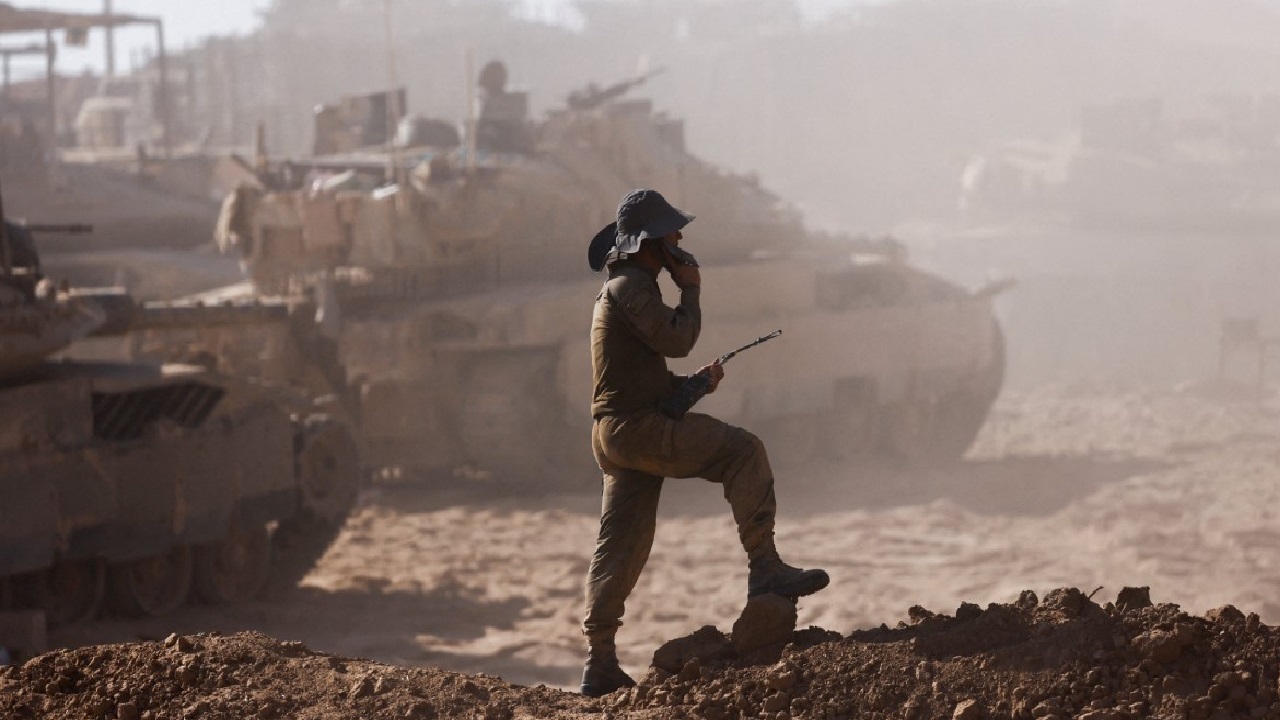
Israel has launched the first phase of its long-planned operation to seize Gaza City, the largest urban center in the Strip and the symbolic seat of Hamas’s political and military power. The Israel Defense Forces (IDF) confirmed on Wednesday that troops have reached the city’s outskirts, marking an escalation in a war that has raged since October 2023. The move comes amid global criticism, humanitarian fears, and renewed calls for a ceasefire.
Israel’s Strategy and Military Build-Up
Brigadier General Effie Defrin, Israel’s military spokesperson, said the IDF is “deepening its attack” on Hamas positions in Gaza City, describing the group as a “battered and bruised” guerrilla force. Tens of thousands of reservists have been called up, underscoring Israel’s intention to expand its campaign.
Prime Minister Benjamin Netanyahu, under mounting pressure from far-right allies, has accelerated the timeline for the offensive. Officials say Israel now controls roughly 75% of Gaza and seeks to dismantle Hamas’s remaining strongholds. Yet, this strategy is fraught with the risk of further civilian displacement and heavy casualties.
Ceasefire Talks and Political Standoff
At the same time, a ceasefire proposal mediated by Arab states has gained traction. Hamas has accepted a 60-day pause in exchange for the phased release of hostages and Palestinian prisoners. Israel, however, insists on the immediate release of all 50 remaining captives. Only about 20 of them are believed to be alive.
Hamas has accused Netanyahu of obstructing peace efforts in favor of prolonging a “brutal war,” while many international observers fear that rejecting mediation could lock the conflict into a destructive stalemate.
Ground Clashes and Resistance
While Israel prepares for a large-scale push into Gaza City, fighting continues elsewhere. Near Khan Younis, more than 15 Hamas militants reportedly emerged from tunnels to attack Israeli troops with gunfire and anti-tank weapons. One Israeli soldier was severely wounded, and Hamas claimed responsibility for the raid, which included a suicide attack at close range.
The clash illustrates Hamas’s continued ability to wage asymmetric warfare despite sustaining enormous losses. For Israel, such incidents highlight the difficulty of eradicating a network embedded in densely populated civilian areas.
Humanitarian Costs and Global Outcry
The toll of the conflict has been staggering. Gaza’s Health Ministry reports over 62,000 Palestinian deaths since October 2023, most of them women and children. Entire neighborhoods, schools, mosques, and hospitals lie in ruins. Israel maintains that Hamas uses civilian infrastructure for military purposes, a charge the group denies.
Displacement is now accelerating again. Evacuation notices have been issued in parts of Gaza City, including near the enclave’s only Catholic church. With more than a million residents, the city faces the risk of widespread destruction should a full-scale assault commence.
Global leaders have voiced alarm. French President Emmanuel Macron warned that an offensive “can only lead to disaster” and could plunge the region into permanent conflict. UN Secretary General António Guterres reiterated calls for an immediate ceasefire to avoid “inevitable death and destruction.”
The Settlement Question and Regional Fallout
Adding to tensions, Finance Minister Bezalel Smotrich announced final approval for a West Bank settlement project, drawing widespread international condemnation. Critics argue that such moves undermine the prospect of a Palestinian state and signal Israel’s long-term strategy of territorial annexation.
This policy direction complicates ceasefire negotiations and fuels skepticism about Israel’s willingness to pursue a political resolution. It also widens the gap between Israel and its Western allies, many of whom support Israel’s security but increasingly question the government’s strategic choices.
Public Opinion and Hostage Dilemma
Within Israel, public sentiment is deeply tied to the fate of the hostages. Polls show that many Israelis would support ending the war if it guaranteed their safe return. Mass rallies in Tel Aviv have underscored this demand, putting pressure on Netanyahu’s government to prioritize negotiations.
For Hamas, hostages remain its strongest bargaining chip. The group has linked their release directly to a permanent end to hostilities — a demand Israel has so far rejected.
The Broader Geopolitical Context
The Gaza war has already reshaped regional dynamics. Arab states that once considered normalization with Israel have pulled back, while international campaigns to recognize Palestinian statehood are gaining traction. A recent Reuters/Ipsos poll found that 58% of Americans now believe Palestine should be recognized by all UN members — an indicator of shifting opinion abroad.
Israel’s continued push into Gaza City, despite warnings from allies, risks isolating it diplomatically while inflaming regional instability.
A Path Toward Restraint
Israel’s advance into Gaza City reflects its determination to weaken Hamas, but the humanitarian consequences and diplomatic costs are mounting. A military solution alone cannot resolve the underlying conflict. As civilian suffering intensifies and regional tensions grow, the case for a negotiated pause followed by political dialogue becomes more compelling.
Constructive steps — including serious engagement with ceasefire proposals, reconsideration of settlement expansions, and renewed commitment to a political horizon for Palestinians — are essential if Israel seeks both security and legitimacy. Without such recalibration, the cycle of war risks becoming self-perpetuating, leaving both Israelis and Palestinians trapped in unending violence.