A History of Seismic Fragility
Afghanistan has long sat on a precarious fault line where the Indian and Eurasian tectonic plates collide, making it one of the most earthquake-prone regions in Asia. The rugged Hindu Kush range frequently experiences tremors, and in recent years, deadly quakes have claimed thousands of lives. Last year alone, over 1,000 people were killed in the country’s western provinces after a devastating series of shocks. With most villages built from mud and stone, the nation’s fragile infrastructure remains especially vulnerable to seismic disasters.
The Latest Tragedy
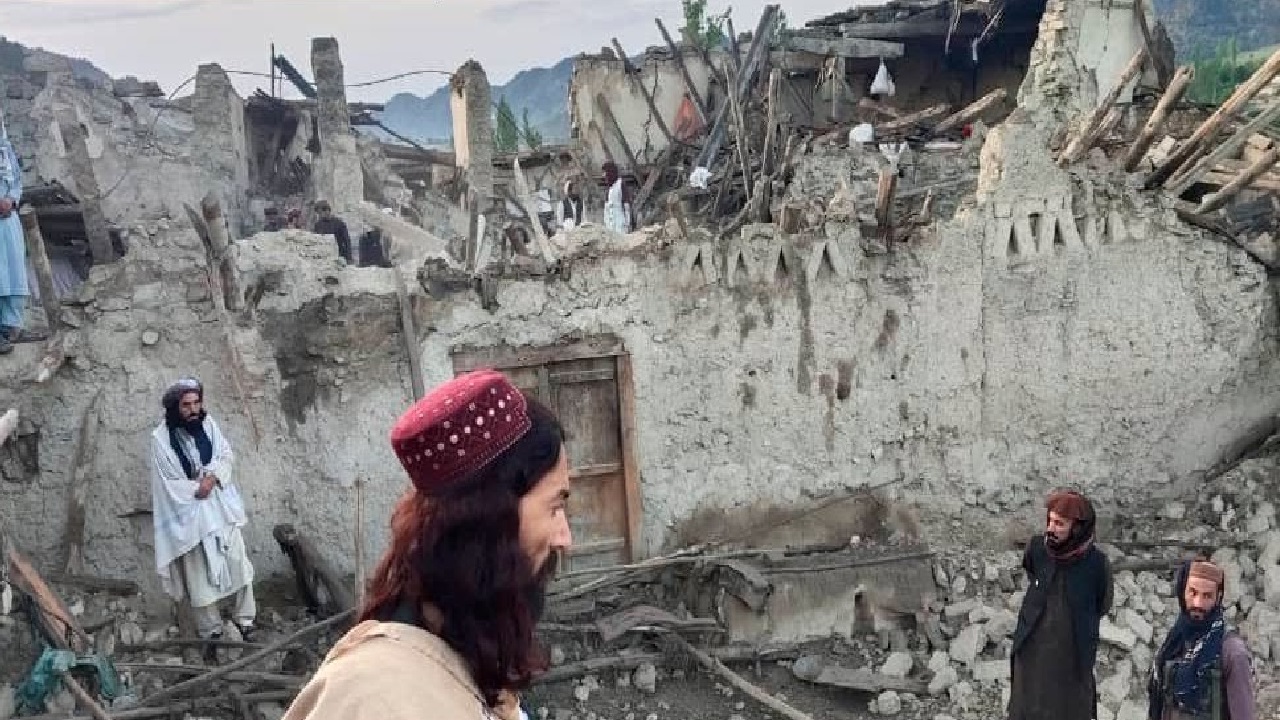
On Monday, a magnitude 6 earthquake struck eastern Afghanistan, killing at least 622 people and injuring more than 1,500, according to the Taliban-run interior ministry. Earlier estimates by state broadcaster RTA had placed the death toll closer to 500, but officials now warn that the figures could rise as rescue operations continue.
The epicenter lay near the mountainous province of Kunar, close to the border with Pakistan’s Khyber Pakhtunkhwa region. Entire hamlets were flattened, with three villages in Kunar razed to the ground. “Figures from just a few clinics show over 400 injured and dozens of fatalities,” ministry spokesperson Sharafat Zaman said, acknowledging that the actual numbers could be significantly higher.
Race Against Time
Rescue operations are proving extremely difficult in remote, mountainous terrain where narrow roads and poor infrastructure slow down relief efforts. Helicopters have been deployed to ferry the wounded to hospitals, while residents, soldiers, and medics worked side by side to pull survivors from under collapsed homes. Reuters footage showed injured villagers being carried on stretchers to ambulances, underscoring the scale of the tragedy.
In one village alone, early reports indicated 30 deaths, with hundreds more injured. Local authorities confirmed that hospitals in Kabul and surrounding provinces are struggling to cope with the influx of patients. The midnight quake, which struck at a depth of only 10 kilometers, was shallow—making its tremors especially destructive.
Humanitarian Strain on a Fragile Nation
The earthquake comes at a time when Afghanistan is already grappling with multiple crises. International aid has sharply declined since the Taliban takeover in 2021, and neighboring countries have been pushing back Afghan refugees, adding to the strain on limited domestic resources. The health system, already fragile due to decades of conflict, now faces overwhelming pressure from both the casualties and the urgent need for medical supplies.
“So far, no foreign governments have reached out to provide support for rescue or relief work,” a spokesperson for the Afghan foreign office confirmed, highlighting the country’s deepening isolation in moments of dire need.
Science Behind the Shaking
The main 6.3-magnitude quake was followed by several aftershocks, ranging from 4.3 to 5.0 on the Richter scale. Experts classify these tremors as shallow or intermediate quakes, which are often deadlier than deep ones. Because seismic waves travel shorter distances to the surface, the shaking is more intense, causing severe damage to weak structures and increasing the likelihood of casualties.
Seismologists have noted an alarming uptick in seismic activity across Afghanistan and the wider Himalayan belt. The latest quake underscores how vulnerable the region remains, with inadequate building standards and poor disaster preparedness amplifying the toll of natural shocks.
A Constructive Path Forward
While Afghanistan cannot escape its geographical fate, the severity of its disasters can be reduced through stronger preparedness, better infrastructure, and regional cooperation. Investment in earthquake-resistant housing, early-warning systems, and disaster management training could save countless lives. Equally important, the international community must not remain indifferent. In moments of profound humanitarian crisis, geopolitics should take a back seat to human solidarity.
The latest earthquake has once again revealed the immense fragility of Afghanistan—both geologically and institutionally. Yet it also presents an opportunity: to push for resilience, stronger regional support, and renewed global attention to a nation too often left to bear its tragedies alone.
(With agency inputs)