Nvidia: At the Center of a Geopolitical Clash
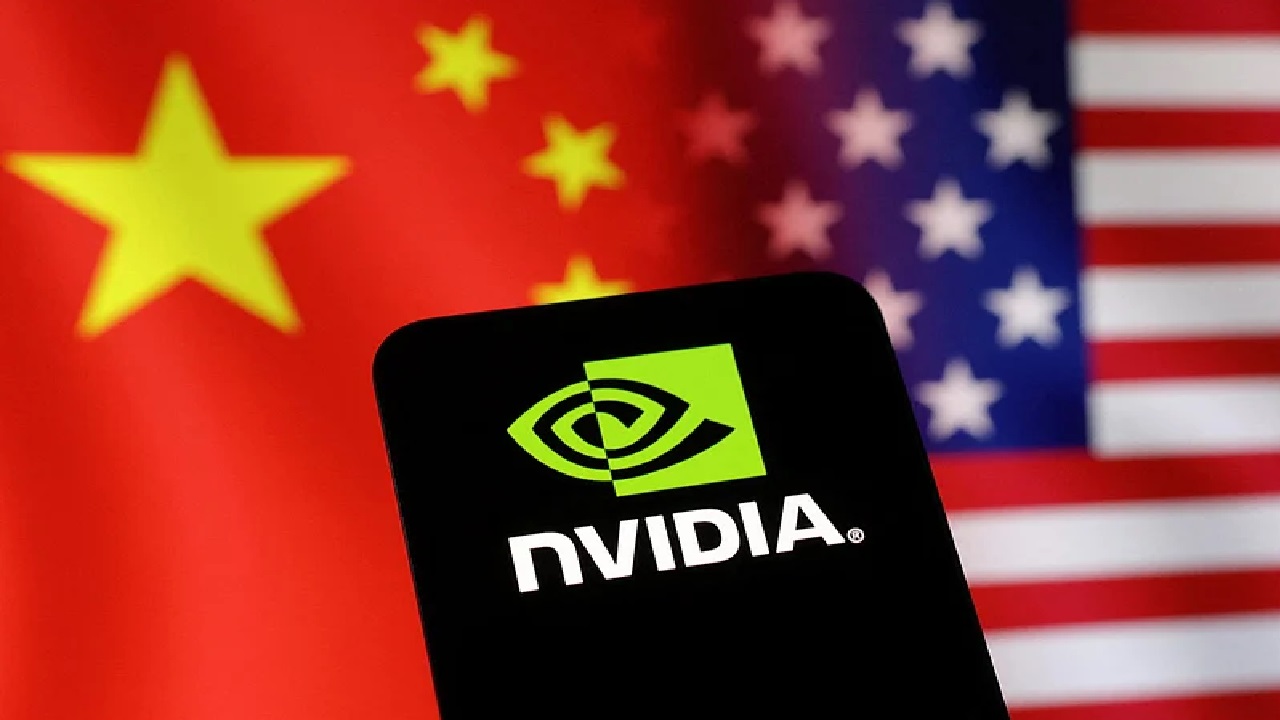
US semiconductor giant Nvidia, long considered a linchpin of the global tech supply chain, has found itself drawn into the widening trade rift between Washington and Beijing. China’s market regulator recently accused the company of violating anti-monopoly rules, though it offered no specifics on how those laws were breached. Nvidia quickly rejected the claim, stating it complies fully with legal standards and remains open to cooperation with relevant authorities.
The move comes as US tariffs and technology disputes continue to weigh on relations between the world’s two largest economies.
Beijing’s Response to Tariffs and Tech Pressure
The allegations are widely viewed as part of China’s broader countermeasures to President Donald Trump’s tariff strategy. Over the past six months, Washington has imposed hefty duties on Chinese imports—initially higher but later adjusted to 30 percent—and threatened to ban TikTok unless its ownership shifts to a non-Chinese entity.
In retaliation, Beijing introduced 10 percent tariffs on selected US goods and launched regulatory probes into American tech giants, including Google. The scrutiny of Nvidia fits this pattern, highlighting how competition in critical industries is becoming entangled with political calculations.
Trade Talks Restart in Madrid
The timing of the accusation is significant. Just a day earlier, delegations led by US Treasury Secretary Scott Bessent and Chinese Vice Premier He Lifeng met in Madrid to resume trade discussions. Talks, hosted at Spain’s foreign ministry, are scheduled to continue through midweek.
Negotiators are attempting to bridge divides over tariffs and technology governance, with TikTok and digital regulations looming as key points of contention. While both sides have stressed the importance of dialogue, progress has remained slow and fragile.
Trump’s Warning to Foreign Regulators
Adding another layer of tension, Trump recently warned he would levy additional tariffs on any country imposing digital service taxes that disadvantage American firms. Such taxes, adopted in several European countries, target the revenue of digital giants such as Google, Apple, Meta, and Amazon. Trump argued that these measures unfairly shield China while hurting US companies, vowing to retaliate unless the rules are rolled back.
This posture underscores Washington’s willingness to use tariffs not only as a bargaining tool with Beijing but also as leverage against broader international digital taxation regimes.
Navigating a Complex Tech-Trade Nexus
The accusations against Nvidia may not hinge on clear antitrust violations, but they signal how regulatory measures are increasingly weaponized in the US-China rivalry. As tariffs, technology restrictions, and digital taxation disputes converge, global firms face heightened uncertainty in managing cross-border operations.
Yet the resumption of trade talks in Madrid suggests both governments still see value in negotiation over escalation. Constructive engagement—balancing economic competition with rules that provide predictability for businesses—remains the only sustainable way forward. For companies like Nvidia caught in the crossfire, clearer ground rules between Washington and Beijing are essential to ensure innovation can continue without being derailed by geopolitical conflict.
(With agency inputs)