


Terrazyme: A Sustainable Road-Building Alternative
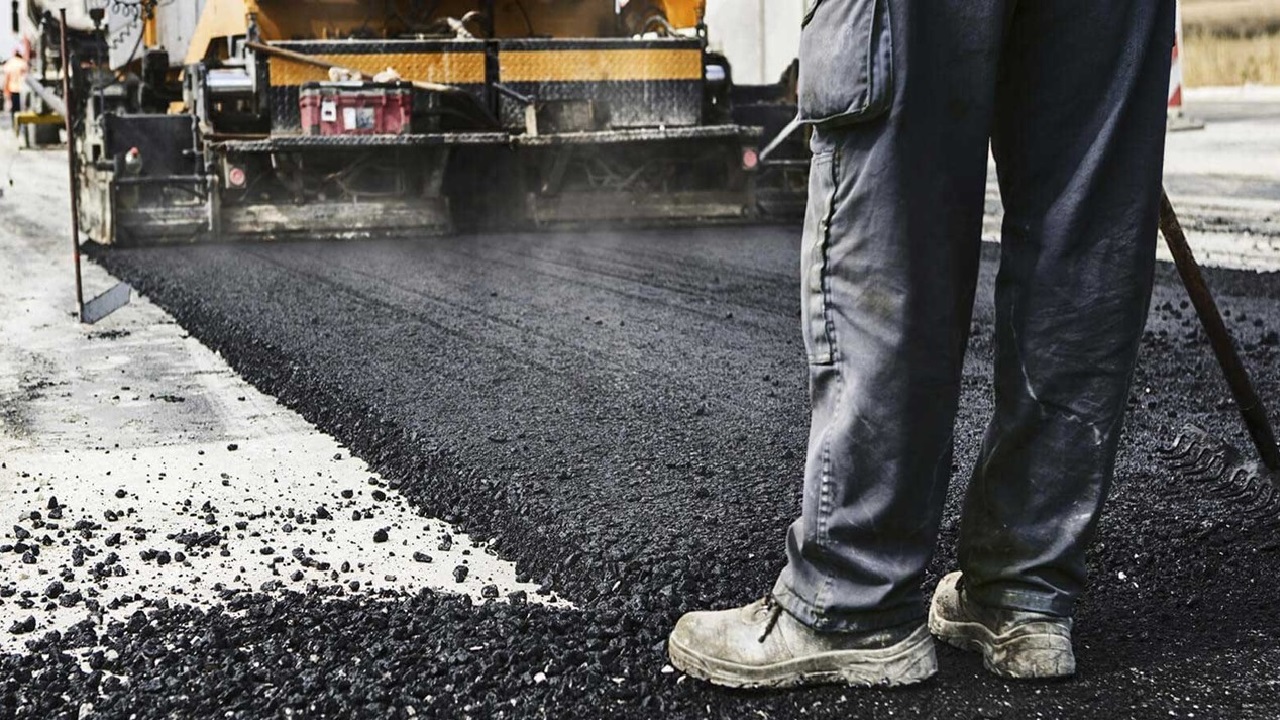
As infrastructure needs expand, balancing growth with environmental responsibility has become a pressing challenge. Odisha is now exploring Terrazyme technology, a bio-enzyme derived from natural plant extracts, to create more sustainable, cost-effective, and durable roads. Unlike conventional methods that rely heavily on stone, cement, and asphalt, this solution stabilizes soil at the molecular level, producing stronger surfaces while minimizing ecological damage.
Government Push for Innovation
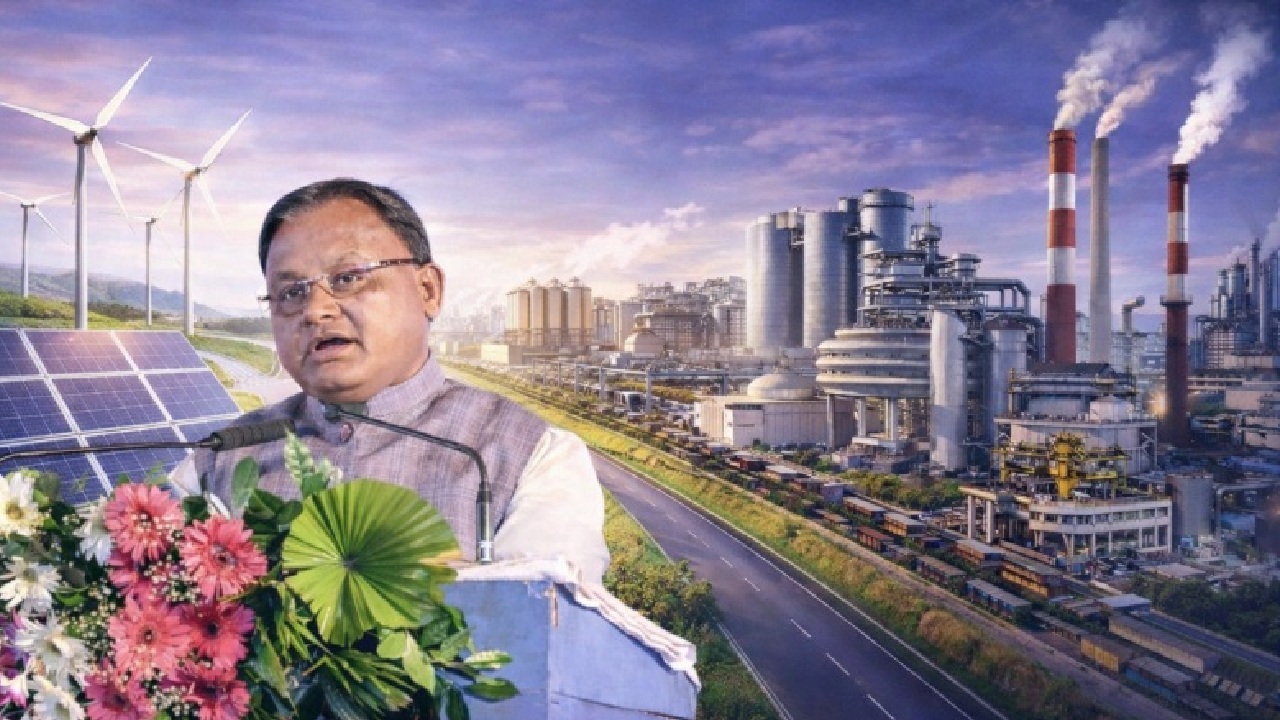
A high-level review chaired by Law, Works, and Excise Minister Prithviraj Harichandan examined the potential adoption of Terrazyme across the state. Senior engineers, consultants, and policymakers were invited to weigh in on its feasibility in both urban and rural settings. The minister emphasized the need for innovations that do not compromise Odisha’s ecological wealth, particularly in forested and eco-sensitive zones, and directed officials to prepare a detailed feasibility report.
How Terrazyme Strengthens Roads
Terrazyme works by modifying soil density and cohesion, making roads more resistant to wear, erosion, and climate variations. Being non-toxic and biodegradable, it presents none of the environmental drawbacks associated with traditional materials. Experts noted that roads built with Terrazyme are:
· More durable, requiring less frequent maintenance.
· Cost-efficient, by reducing reliance on costly aggregates and cement.
· Eco-friendly, cutting down on surface heat, dust, and carbon emissions.
This combination makes it particularly relevant for Odisha, where heavy rains and diverse terrain often challenge road durability.
Fit for Odisha’s Terrain
Odisha’s geography spans coastal plains, hilly interiors, and dense forests—conditions where road building is both costly and environmentally sensitive. Officials at the meeting observed that Terrazyme could prove especially beneficial in tribal and biodiversity-rich districts, aligning with the government’s broader sustainability and connectivity agenda.
By reducing the ecological footprint of construction, the technology could help bring reliable roads to remote communities without disrupting fragile ecosystems.
Cost Savings and Long-Term Value
One of the strongest arguments in favor of Terrazyme is its potential for cost reduction. Conventional road-building relies on resource-intensive materials that raise both initial outlays and maintenance expenses. By strengthening soil, itself, Terrazyme reduces dependency on these inputs. This not only lowers upfront costs but also extends road lifespan, cutting repair bills over time.
Officials suggested that pilot projects in select districts would help assess field performance, generating data before any state-wide rollout.
Expert Endorsements and Next Steps
The review meeting included OBCC consultant Jayakrishna Das, Additional Chief Engineer Sridhar Raut, Banapur Block Chairman Amarendra Ranasingh, and senior Works Department officials. Participants noted that Terrazyme has already been deployed successfully in other parts of India and abroad, showing both technical reliability and environmental safety.
Their collective feedback will form the basis of the forthcoming feasibility report, which will guide Odisha’s final decision.
Towards Greener Infrastructure
If implemented, Terrazyme could mark a transformative shift in Odisha’s infrastructure strategy, enabling the state to build roads that are not only economical but also environmentally responsible. By cutting carbon emissions, protecting natural habitats, and reducing costs, the technology embodies a balanced approach to growth.
As Minister Harichandan highlighted, sustainable innovation is no longer optional—it is essential. With Terrazyme under consideration, Odisha may well set a precedent for how states can pursue development while safeguarding the environment, paving the way for a greener future.
(With agency inputs)