A Tragedy in the Tirah Valley
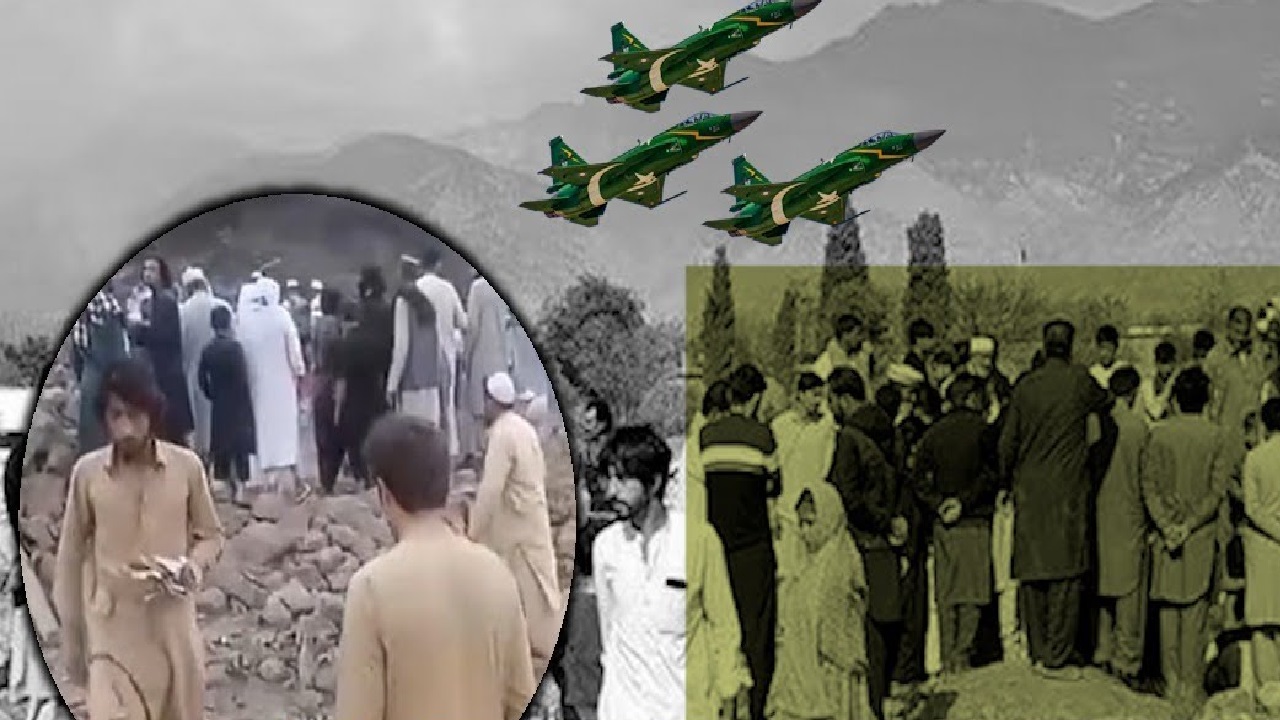
In the early hours of September 22, tragedy struck the Matre Dara village in Pakistan’s Khyber Pakhtunkhwa province. Fighter jets of the Pakistani Air Force dropped multiple LS-6 bombs, flattening homes and leaving at least 30 people—many of them women and children—dead. Dozens more were reportedly injured, with local rescue workers warning that the toll could rise as they continue to dig through rubble. Images of bodies lying in the open fields have already sparked outrage, reviving concerns over the human cost of military operations in this volatile region.
The Strike and Its Aftermath
According to local reports, the attack occurred around 2 a.m., when residents were asleep. The air force targeted what were believed to be hideouts of the Tehreek-e-Taliban Pakistan (TTP), a militant group responsible for repeated attacks in the province. However, witnesses and community leaders insist that all casualties were civilians. The devastation has fueled questions about both the precision of the strike and the safeguards in place to prevent civilian harm.
A Pattern of Civilian Casualties
Khyber Pakhtunkhwa has been at the center of Pakistan’s counterterrorism operations for years. Amnesty International, in a June statement, accused authorities of showing a “shocking disregard for civilian life” after repeated drone strikes killed non-combatants, including children. Isabelle Lassee, Amnesty’s Deputy Regional Director for South Asia, recently warned that such incidents reflect a disturbing trend, pointing out that just last week a child was killed in another aerial attack.
Police records reinforce this grim reality. Between January and August this year, the province witnessed 605 terror incidents, claiming the lives of 138 civilians and 79 police officers. August alone saw 129 attacks, underlining the intensity of violence in the region.
Military Operations and Escalating Violence
The Pakistani military argues that the offensive is essential to curb the rising influence of the TTP, which has intensified cross-border strikes and insurgent activity in recent months. Just a day before the airstrike, the army announced the killing of seven TTP militants, including Afghan nationals and two suicide bombers, during an intelligence-led operation in Dera Ismail Khan. Earlier in September, at least 31 militants were eliminated in separate encounters across the province.
Despite these successes, civilian deaths like those in Matre Dara risk undermining public trust in the military campaign and may inadvertently fuel resentment in communities already scarred by conflict.
The Humanitarian and Political Fallout
The immediate humanitarian crisis is evident: families have been displaced, survivors injured, and children orphaned. But the long-term implications are equally troubling. Civilian casualties erode confidence in state institutions and complicate efforts to counter extremism. They also provide militant groups with propaganda to recruit and rally support, turning tragedy into a tool for their cause.
Balancing Security with Civilian Protection
Pakistan’s security establishment faces an undeniable challenge in confronting a resurgent TTP and other militant factions along the Afghan border. Yet, the Matre Dara tragedy highlights the urgent need for precision, accountability, and stronger safeguards for civilians. If military campaigns continue to extract such a heavy toll on non-combatants, they risk perpetuating the very instability they seek to eliminate.
Moving forward, greater transparency in operations, independent investigations into civilian deaths, and community-focused development could help bridge the widening gap between security imperatives and humanitarian responsibilities. Only then can Pakistan hope to contain militancy without sacrificing the lives of those it is duty-bound to protect.
(With agency inputs)